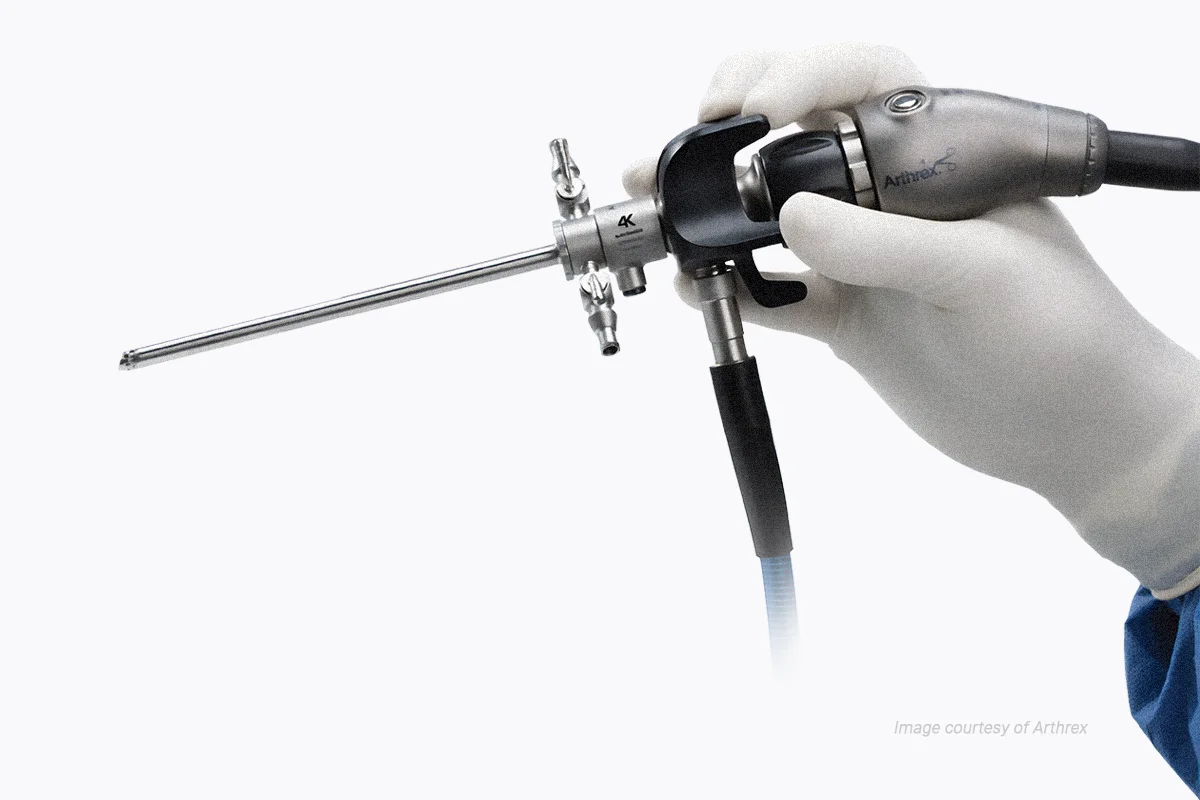
Across medical devices, AI platforms, and spatial computing, I focus on how people understand, use, and recover from problems in the products they depend on.
I look for the problem first, especially where getting it wrong has a real cost. I started in Industrial Design, where a bad design decision can ship in metal and plastic and become expensive to correct. That perspective has stayed with me through software and medical technology, including my work at Google Cloud AI.
I work across research and hands-on product design, collaborating with teams to understand user needs, navigate trade-offs, and turn decisions into shipped products.
Earlier in my career, I was an Assistant Professor of Product Design at the University of Minnesota. My research on user perception and behavior has appeared in peer-reviewed publications.
Where the work began.
Before the regulated systems and enterprise platforms, there was the bench: several years of industrial design, prototyping, and research craft. It’s the foundation the rest is built on.